Guide to Choosing Rubber Manufacturer of Custom Parts
Choosing the right custom rubber manufacturer is a critical decision, specifically for integral parts or components destined for challenging operating conditions or environments. Working with the wrong manufacturer can lead to poor part performance, missed deadlines, unexpected costs, or headaches regarding your supply chain. However, by consulting this guide, many businesses will understand why Lake Erie Rubber has become the leading manufacturer of custom rubber parts for countless industries, thanks to its engineering expertise, consistent quality, and industry-leading equipment.
In this guide, you’ll learn everything you need to evaluate and choose a custom rubber manufacturer that matches your part demands for technical skills, knowledge of rubber materials, costs, and turnaround times.
Get Started with Lake Erie Rubber
What Being a “Custom Rubber Manufacturer” Means
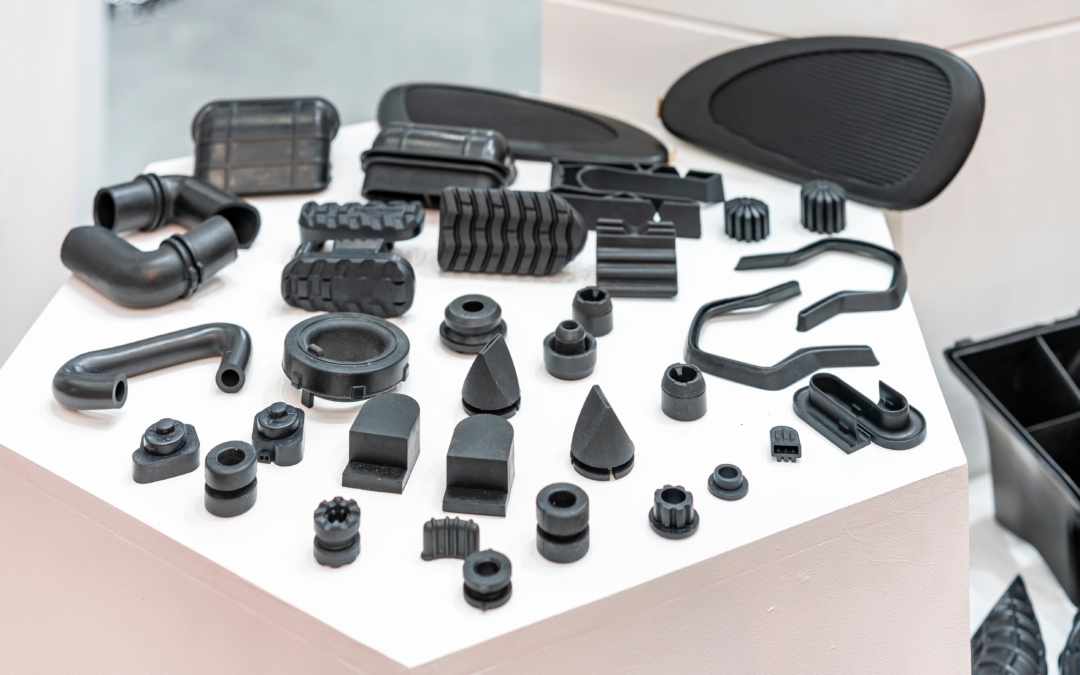
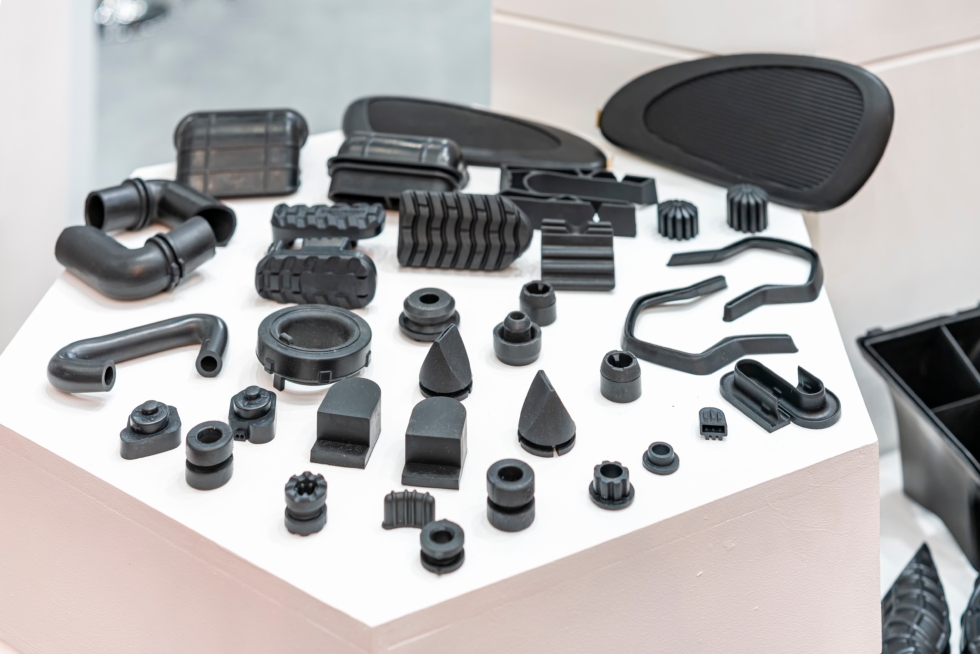
To become an established and reputable custom rubber manufacturer means more than just producing customized rubber parts for customers. A true manufacturer will go the extra mile to provide experience-backed insight and support on the design and material choice for your parts. Unlike off-the-shelf rubber components, custom rubber parts are built to demanding customer specifications and tight tolerances that require custom tooling or molds that are specifically tailored to produce parts with unique geometries, angles, or recessed areas. Additionally, an experienced custom rubber manufacturer will understand which rubber molding process is best-suited for your parts to deliver optimal performance, throughput efficiency, and costs. Choosing between compression, injection, or transfer molding isn’t always a straightforward decision and takes an experienced rubber molder to know which will deliver the best results.
Above all else, being a custom rubber manufacturer means that you can advise on the optimal rubber compound for the part based on performance expectations or operating environments. As many rubbers have different levels of resistance to things like solvents, oils, gases, chemicals, and abrasion, working with a knowledgeable provider like Lake Erie Rubber is essential to producing high-quality parts that meet expectations. Any of the top rubber molders will showcase flexibility, technical capabilities, and a willingness to work within customer demands to deliver a premium product.
Key Factors to Evaluate in a Custom Rubber Manufacturer
When condensing your list of possible options for a partner, there are a few key factors that can quickly differentiate a suitable rubber molder from one that may fall short of your expectations or demands. The suggested critical characteristics or services are:
Material Expertise & Rubber Compound Options
The availability of unique rubber compounds continues to expand, and many require tremendous force and years of experience to adequately shape into final shapes. For example, Lake Erie Rubber has become a national leader in molding advanced rubber compounds like FKM (Viton), EPDM, SBR, and NBR, to name a few.
Molding Methods & Manufacturing Capacity
Based on part characteristics or design features, customers may need to select a rubber molder with unique rubber molding equipment and methods that address specific needs. A reputable rubber molding company will maintain advanced equipment across all three primary molding methods (compression, injection, transfer) to provide comprehensive solutions that address needs for challenging applications.
Engineering Support or Design for Manufacturability
It takes considerable effort and revisions to bring a rubber part from early prototype stages through final production runs. A manufacturer offering engineering support or design for manufacturability assistance (DFM) can help address potential complications that may arise during production due to part design or specific features. The ideal partner will work with your team to refine designs to optimize cost, yield, and performance in end applications. Lake Erie Rubber emphasizes a strong approach to technical support, material selection optimizations, and even tooling to meet customer goals.
Quality Systems, Certifications, & Testing
Customers should have confidence in their rubber molding partner, and finding those with quality standards, certifications, or supplemental testing protocols is an excellent way to protect oneself against potential defects, unexpected costs, or unusable parts. An ISO 9001 certification, like the one maintained by Lake Erie Rubber, is a great starting point for a reputable rubber manufacturer and guarantees a thorough inspection process and detailed documentation throughout the production process. ITAR, ISO 13485, and certain FDA registrations are all additional qualifications to vet, depending on the project demands.
In-House Tooling & Mold Transfer
Creating custom tooling and accepting tooling transfers are critical aspects of finding a reliable rubber molding partner. As the most expensive aspect of custom rubber molding, any company offering in-house tooling is a step ahead of the competition. Additionally, any high-volume project with routine production runs should inquire about mold storage and maintenance practices before going into business together. Any supplier that offers these services can help reduce any risk to production capabilities and will speed up the prototype-to-production process.
Communication Practices
Working with a custom rubber manufacturer that provides technical clarity, fast response times, and clear transparency on project goals, deadlines, and costs is often overlooked. When choosing between several options, prioritize the company that will assign you a project manager, provide consistent status updates, and is open to feedback or questions regarding part design and material choices.
Comparing Overseas vs. Domestic Rubber Molding
With the implementation of tariffs and general international uncertainty in the manufacturing world, reshoring rubber molding is a leading concern for companies seeking a reliable custom part producer. While it can be tempting to seek out lower costs for molds and parts from overseas operations, these can have long-term detrimental effects for those in high-performance industries seeking critical parts. Working with a stateside provider can help avoid hidden costs, along with the following complications:
- Shipping delays and unpredictable freight costs
- Customs, tariffs, and border closures
- Language barriers, time zone differences, and other communication problems
- Inability to conduct on-site audits or in-person visits with engineers or project managers
- Risk of intellectual property theft and loss of control over production
A domestic partner like Lake Erie Rubber offers customers accessible solutions with easier oversight and a greater level of control over supply chain management that reduces production headaches.
Use Case Examples By Industry
Understanding how custom rubber manufacturing applies to your specific industry can help envision the possibilities for future projects or part designs that may be implausible with other providers. Lake Erie Rubber has decades of experience working with various industrial sectors to produce unique rubber parts that are expected to provide reliable and long-term performance in challenging environments. A few examples of these successful partnerships are detailed in the chart below.
| Industry | Key Part Types | Important Material / Design Considerations |
| Rail & Transit | Bellows, weather seals, sand nozzles, and insulators | Fire retardancy, UV/ozone resistance, vibration damping |
| Mining & Material Handling | Wear pads, chute liners, vibration isolators | Abrasion resistance, bonded rubber-to-metal assemblies |
| Construction & Heavy Equipment | Bumpers, seals, and expansion parts | Weather resistance, wide temperature range |
| Vibration Control / Noise Reduction | Machine feet, engine mounts, bushings | Deflection curves, repeatability, and fatigue life |
| Oil, Gas & Energy | Seals, diaphragms, O-rings | Chemical resistance, pressure, temperature, and durability |
| Consumer & Pet Products | Toys, branded rubber goods | FDA compliance, safety, aesthetics |
Lake Erie’s own case study with Monster K9 is an excellent example of how working with a top custom rubber molder addressed significant pain points and returned excellent results. Lake Erie Rubber helped Monster K9 reduce lead times by 50%, double production capacity, and stabilize quality through ISO processes, which ultimately kept shelves full of the high-demand product and provided considerable ROI to Monster K9.
Mistakes to Avoid in the Decision Process
As important as it may be to point out the areas on which to base your decision-making process, it is also critical to note the common mistakes made by businesses choosing a custom rubber manufacturer. Any of these pitfalls can doom a project before it even starts and set companies behind their production goals and other competitors who may be faster to market with a better overall product.
- Price: Basing your decision solely on price is a risky gamble and one that may require service providers to cut corners on material quality, inspections, tooling quality, and deadlines.
- Ignoring Technical Support: Working with a rubber molder that doesn’t provide adequate technical support, either in the form of part design optimizations or material choice considerations, can hurt final part quality and the ability to move quickly from prototype to production.
- Not Accounting For Long-Term Costs: Things like tooling repair, rejected parts, scrapped materials, and rework can quickly outweigh the initial savings expected when choosing the lowest cost option.
- Overlooking the Supply Chain: Working with a partner that does not have ready access to high-quality rubbers, including the more unique compounds like FKM or NBR, can hamper your supply chain, and you’ll find yourself committed to a rubber molder that cannot meet your expected demand.
- Not Requesting Trial Runs & Sample Parts: It is essential to request trial runs or sample parts from a rubber molding company before making a final decision. Even denying this request, no matter the expected final quality, is a red flag to avoid certain companies.
Great, You Found A Partner, What’s Next?
To get started, prepare a detailed drawing or CAD file that outlines all critical features, tolerances, materials, and the intended application environment. Request quotes from your shortlisted suppliers, ensuring each proposal clearly lists tooling costs, unit pricing, lead times, and quality terms. Ask for examples of past work or samples from projects within your industry, along with documentation of their quality processes and certifications. It’s also smart to request a design review or feasibility assessment early on to confirm manufacturability and identify any potential issues. Finally, begin with a small prototype order to validate performance and quality before committing to full-scale production.
If you’re ready to take the next step, Lake Erie Rubber makes the process simple. Our engineering and production teams can review your drawings, offer material recommendations, and provide a detailed quote for your project. Request a quote today to see how we can help bring your custom rubber parts to life with quality, speed, and precision.